
Acoustic Calibrators
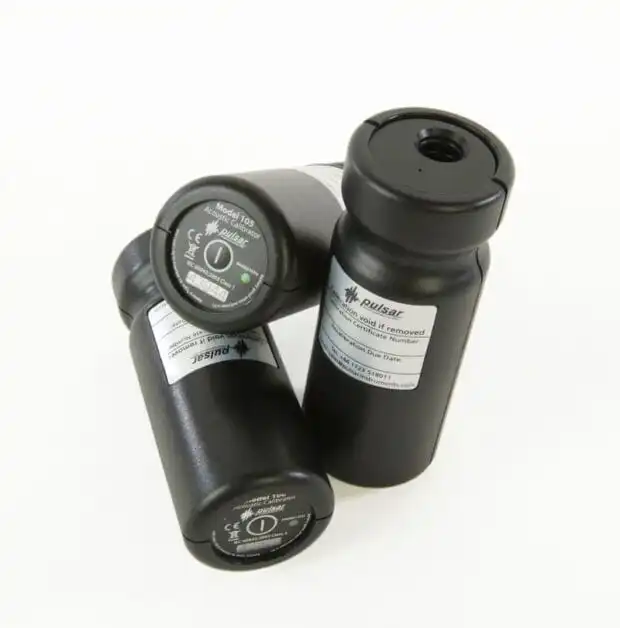
About Our Acoustic Calibrators
Field calibration is essential for accurate and legally compliant noise measurements. An acoustic calibrator allows you to check your sound level meter or noise dosimeter before and after each measurement, ensuring your results comply with occupational noise regulations.
Acoustic Calibrators for Sound Level Meters
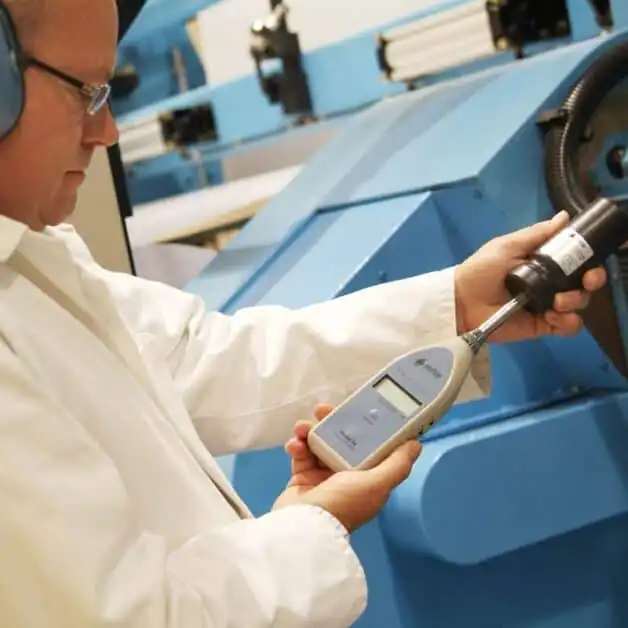
Our Acoustic Calibrators provide a stable 1 kHz reference tone at 94 dB, allowing you to quickly field calibrate your sound level meter before and after use. Our acoustic calibrators are available in Class 1 and Class 2, and should match or exceed the class of the sound level meter being calibrated.
Dual-level Acoustic Calibrators for Sound Level Meters and Noise Dosimeters
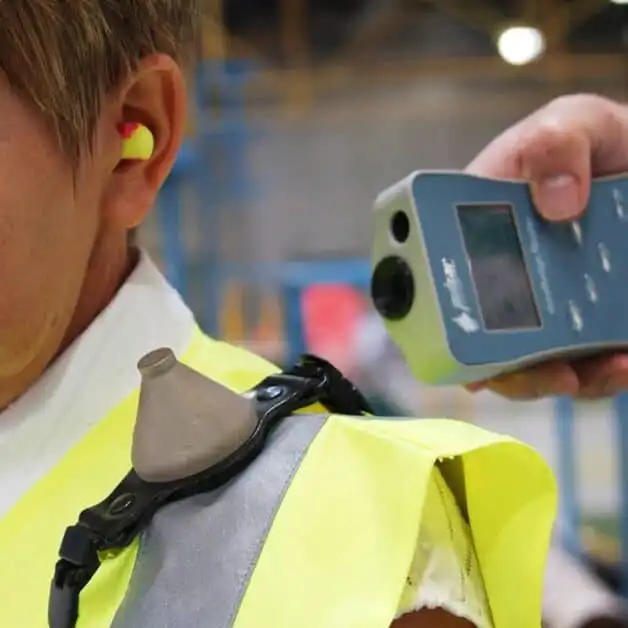
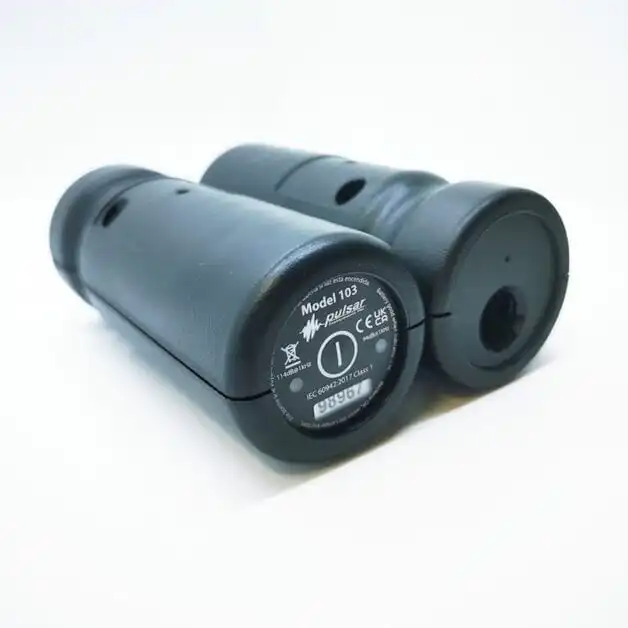
Our Dual-Level Acoustic Calibrators produce a standardised 1 kHz tone at 94 dB and 114 dB. 94 dB is typically used to calibrate sound level meters, while 114 dB is typically used to calibrate noise dosimeters, allowing a single calibrator to be used across both types of instruments. Our dual-level acoustic calibrators are available in Class 1 and Class 2, and should match or exceed the class of the sound level meter or dosimeter being calibrated.
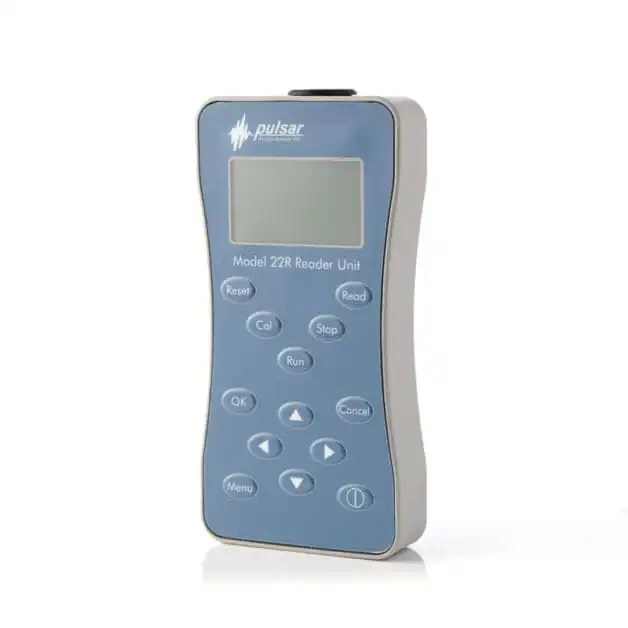
NoiseBadge Reader Unit with Integrated Calibrator
The NoiseBadge Reader Unit is used to field calibrate the NoiseBadge in accordance with occupational noise regulations. Before and after a measurement, the dosimeter is placed into the calibrator cavity of the Reader, and the Reset and Cal buttons are used to clear previous data, apply the current configuration, update the time and date, and calibrate the dosimeter.
Acoustic Calibrator FAQs
What is an Acoustic Calibrator?
An Acoustic Calibrator (also known as field calibrator or sound level calibrator) is a hand-held device that emits an audible tone at a standard noise level and frequency.
For compliance with noise measurement legislation, such as the Noise at Work Regulations, you should field calibrate your sound level meter or dosimeter before and after taking noise measurements. This is done by fitting the calibrator over the meter’s microphone and checking the reading. Sound level meters such as Pulsar Instruments™ Nova range ask the user to calibrate their meter when they switch it on, the meter then automatically checks the reading.
Which Class acoustic calibrator do I need?
An Acoustic Calibrator should meet the standard IEC 60942 to either Class 1 or Class 2. A Class 1 calibrator is used with Class 1 sound level meters for example which require more accuracy (less tolerance) than the Class 2 (which is correspondingly used to calibrate a Class 2 sound level meter. In general, if you have a Class 1 (or Type 1) Sound Level Meter then you should use a Class 1 Calibrator. If you have a Class 2 Sound Level Meter you can use either a Class 2 or Class 1 Calibrator.