
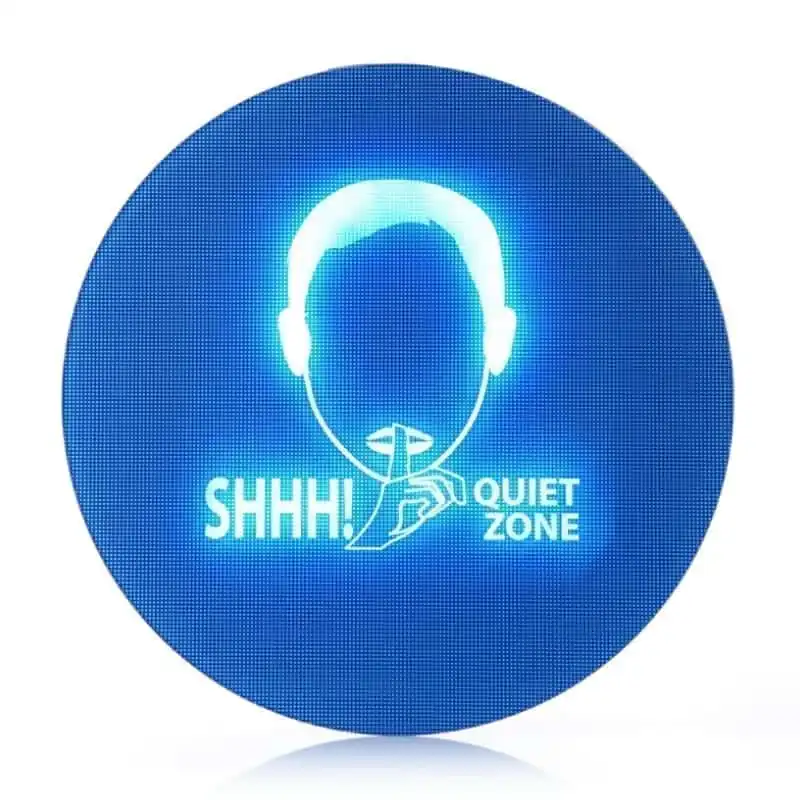
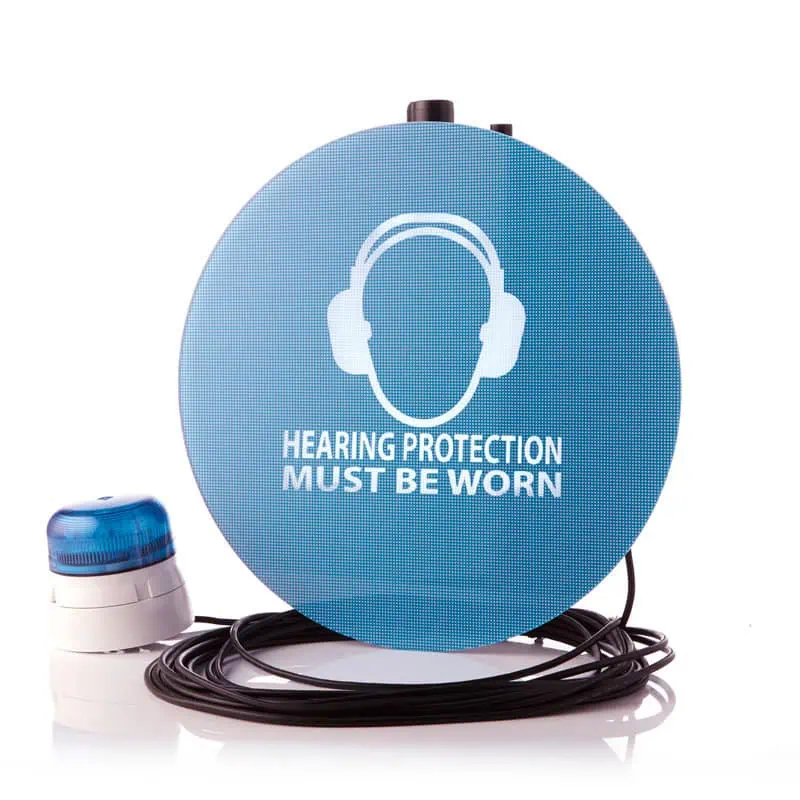
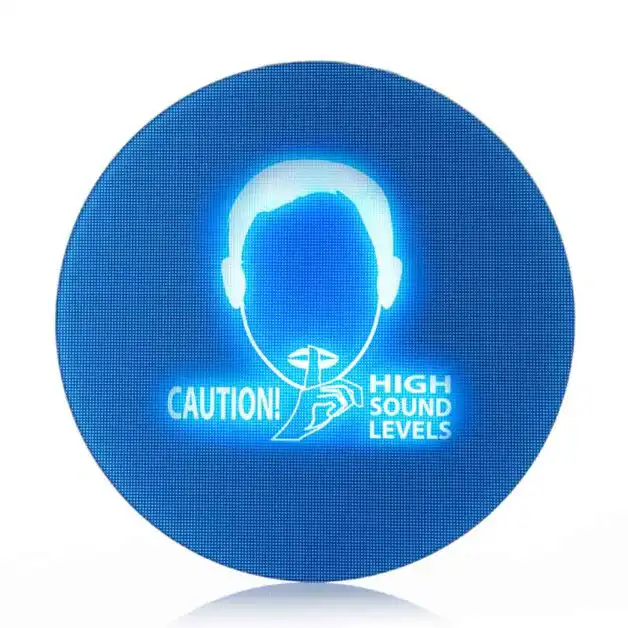
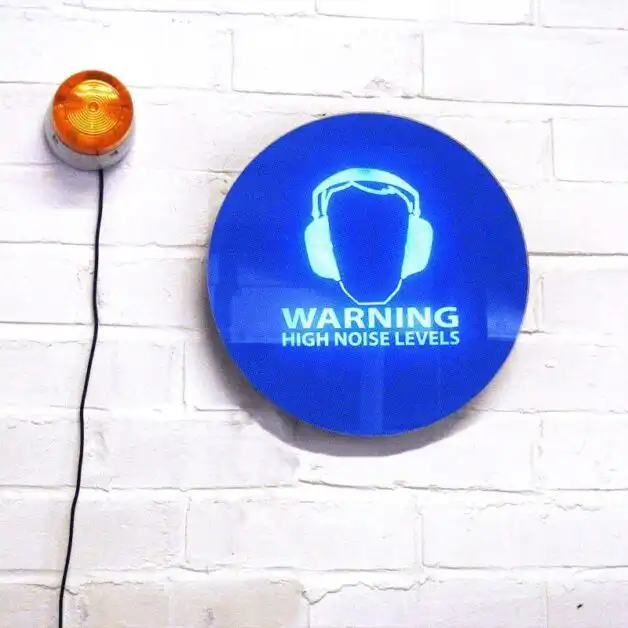
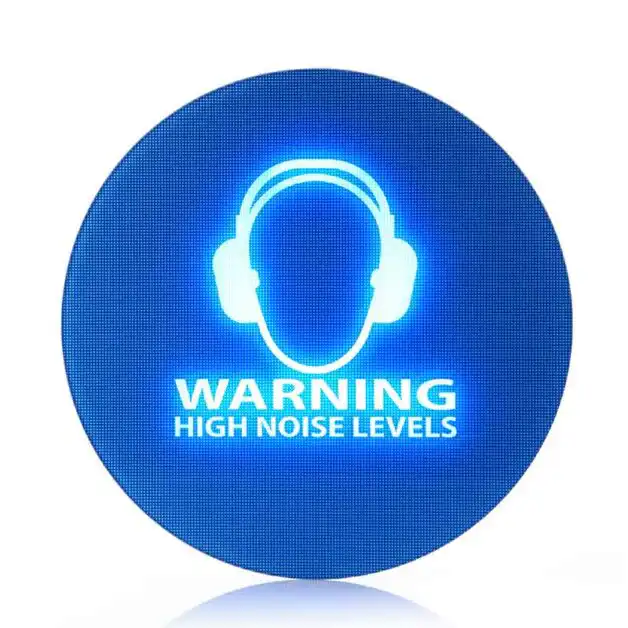
The SafeEar is a noise-activated warning sign that helps maintain a calm and quiet environment. When noise levels exceed a chosen threshold, the SafeEar illuminates to provide a clear visual alert to keep noise levels down. It is ideal for offices and call centres, healthcare environments, educational settings and other spaces where excessive noise can cause disruption.
Suitable for Maintaining Quiet Environments
The SafeEar provides a clear visual alert when noise exceeds a set level. With an adjustable trigger range from 40 dB(A) to 114 dB(A), the sign is ideal for both very quiet spaces and louder environments where a higher trigger level is needed.
The SafeEar’s bright LED ensures the warning is clearly visible. An optional turn-off delay keeps the sign illuminated for up to 30 seconds after noise falls back below the trigger level, making it ideal for environments where sound levels change frequently and helping to avoid constant flashing.
Customisable Visibility Options
The SafeEar’s brightness can be adjusted to suit a range of environments. It can be set to a high level for bright areas, or reduced for settings such as a hospital where a less intrusive alert is more suitable.
In larger or more complex spaces, a single SafeEar may not provide full coverage. The SafeEar Master Unit can be daisy-chained to up to three Remote Display Units, so that all linked signs activate simultaneously from the Master’s trigger level.
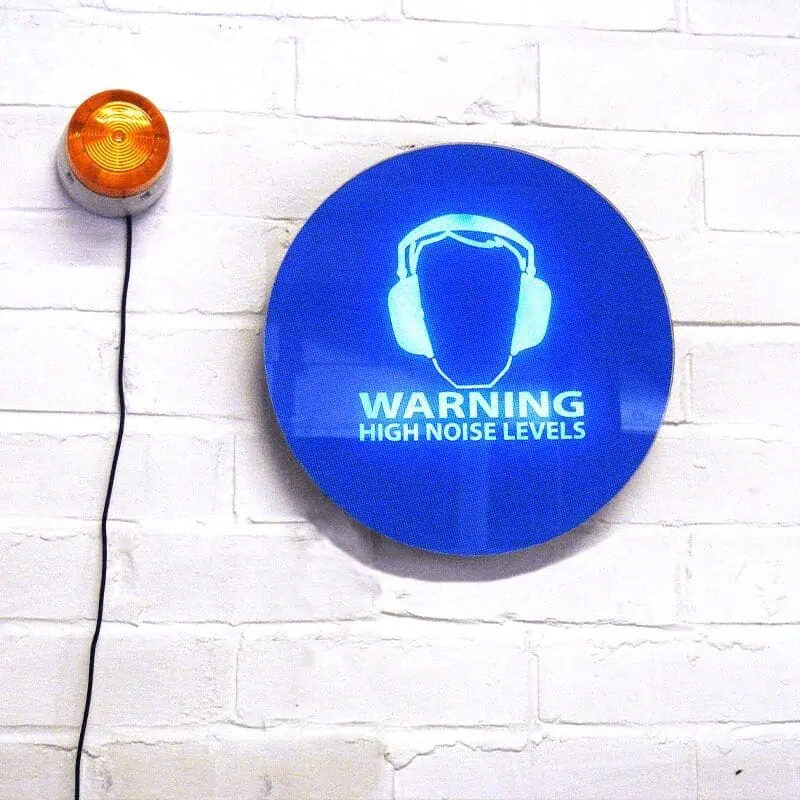
Where greater visibility is needed, optional beacons can be added to provide a more noticeable alert.
Language Options and Custom Designs
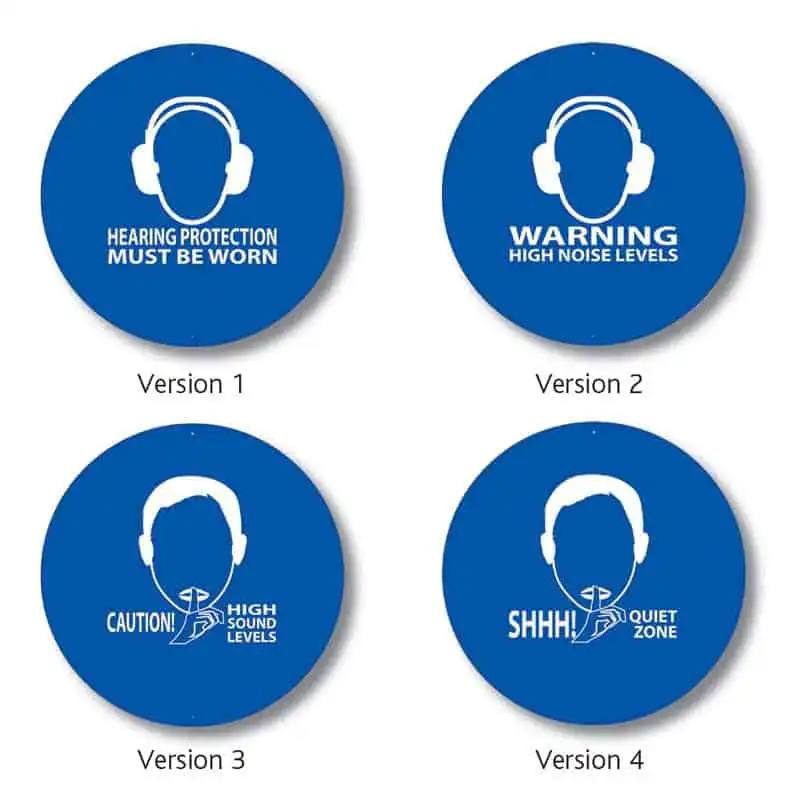
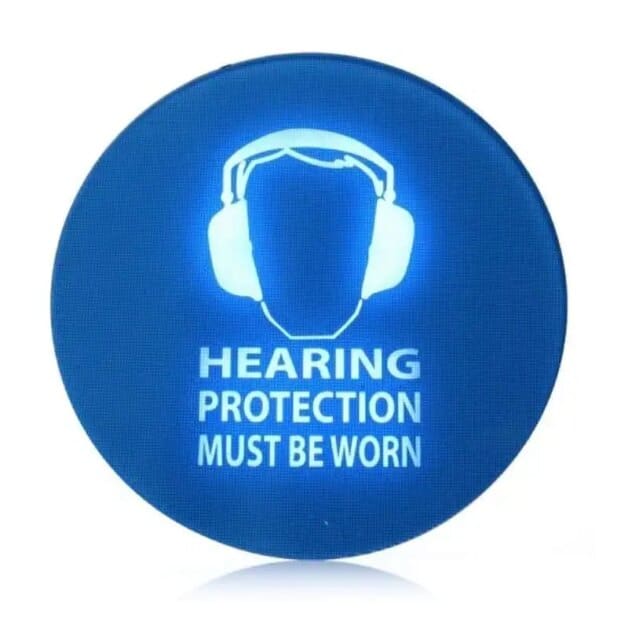
The SafeEar is available in English, German, French and Spanish as standard.
Additional languages can also be supplied on request.
Custom designs, including company branding or specific wording, are available for orders of 10 or more signs. Please get in touch with us for details.
Optional Data Logging to Capture Noise Levels
The SafeEar can be fitted with the SafeEar Data Logger, which allows LAS noise levels to be recorded over long periods. The data logger can be programmed to begin recording at specific times and at set intervals over a day, a week or longer. The data can then be downloaded to a PC for analysis and reporting.
Susie Henwood –
As part of my MSc dissertation in critical care at Cardiff University, I aimed to reduce noise levels on an intensive care unit, to enhance sleep quality and reduce the incidence of delirium. A Pulsar SafeEar Noise Warning Sign was placed within each individual bed space, following the activation of the warning signs, quiet time noise reduced by 3 dBA and night time noise reduced by 4 dBA. This reduction in noise levels also reduced the incidence of delirium by 8.1% from the previous year. These results highlight the importance of these visual prompts to try and remind staff and visitors to reduce noise levels.