
Although reported cases of Noise-Induced Hearing Loss (NIHL) have fallen in recent years, more than one million employees in the UK are still exposed to noise levels that put their hearing at risk. Further reductions in NIHL will require earlier intervention and better long-term noise control strategies, particularly for high-risk workers.
Health and Safety professionals are increasingly aware of their responsibilities under the Control of Noise at Work Regulations 2005. However, many organisations still rely heavily on hearing protection as their primary solution. While PPE has its place, over-prescribing it can create new problems and does not address the root cause of excessive noise exposure.
Why Hearing Protection Alone Is Not Enough
A common response to excessive noise is to issue the highest possible level of hearing protection and require workers to wear it continuously. While this approach may appear safe, it can introduce additional risks.
Over-prescribing hearing protection can prevent workers from communicating effectively, increase isolation, reduce job satisfaction and, in some cases, impact mental wellbeing and productivity. More critically, over-protection can impair the ability to hear fire alarms, warning signals or reversing vehicles, creating alternative safety hazards.
There is also evidence that discomfort and hygiene concerns can lead to inconsistent use of PPE, incorrect fitting or complete non-compliance. For long-term effectiveness, hearing protection should be a last resort within a broader noise control strategy.
Step 1 – Conduct Comprehensive Noise Risk Assessments
Before implementing control measures, you must understand where and when employees are exposed to harmful noise levels.
This involves carrying out a comprehensive noise risk assessment to identify:
- Which employees are at risk
- Where and when exposure occurs
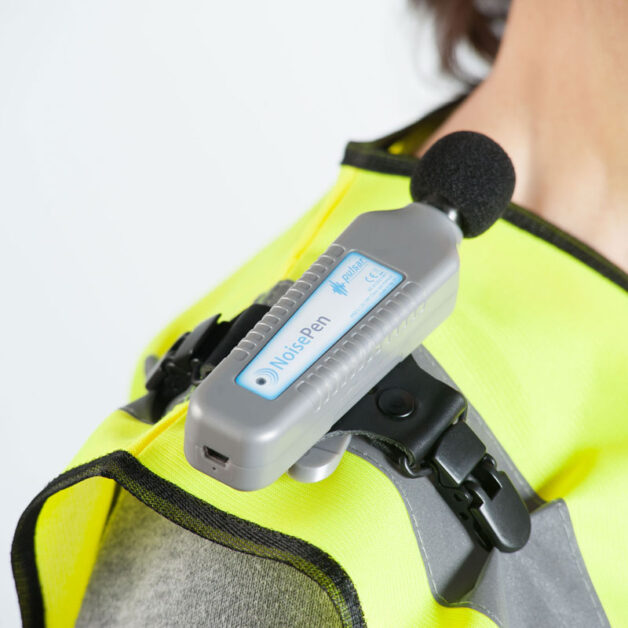
Suitable Class 2 sound level meters are typically sufficient for occupational assessments, provided they comply with recognised standards. Measurements should determine daily or weekly exposure levels and identify whether action values are being exceeded.
Step 2 – Control Noise at Source
The most effective long-term solution is to reduce noise wherever reasonably practicable.
The HSE advises employers to focus on engineering controls and source reduction rather than relying solely on PPE. This may involve:
- Carrying out noise abatement work
- Implementing engineered solutions
- Repairing, replacing or upgrading noisy machinery
Reducing noise at source not only protects hearing but also improves communication, productivity and overall workplace safety.
Step 3 – Establish Administrative Controls
Where noise cannot be eliminated entirely, additional control measures should be introduced to manage exposure effectively.
These may include:
- Marking out high-noise areas
- Using appropriate noise-activated warning signs
- Implementing shift rotation or time-based exposure limits
Administrative controls support engineering efforts and reduce reliance on personal protective equipment.
Step 4 – Implement a “Buy Quiet” Policy
A proactive way to manage long-term exposure is to establish a formal Buy Quiet policy.
This means considering noise emission levels when purchasing new equipment and machinery and selecting lower-noise alternatives where possible.
Over time, a formal Buy Quiet policy can significantly reduce background workplace noise levels without requiring additional PPE.
Step 5 – Provide Appropriate Hearing Protection and Training
Where noise exposure cannot be sufficiently reduced through engineering or administrative measures, suitable hearing protection must be provided.
However, the protection selected should match the level of risk rather than automatically choosing the highest level of protection available.
Workers should receive:
- Clear instruction on correct use
- Training on the risks of excessive noise
- Regular hearing checks where exposure exceeds 85 dB(A)
Hearing protection works best as part of a structured, informed noise management programme rather than as a standalone solution.