Noise-Induced Hearing Loss (NIHL) is permanent hearing damage caused by prolonged exposure to excessive noise levels. It occurs when the delicate hair cells inside the cochlea of the inner ear become overstimulated and damaged by sound energy. Once these cells are damaged, they do not regenerate.
NIHL can develop gradually over time due to repeated exposure to moderate noise levels, or suddenly after exposure to extremely loud impulse noise. Unlike temporary hearing fatigue, permanent NIHL cannot be reversed.
What Causes Noise-Induced Hearing Loss?
Noise-Induced Hearing Loss is caused by repeated exposure to noise levels that exceed safe limits. While extremely loud impulse noise can cause immediate damage, NIHL most commonly develops over months or years of routine exposure.
Workplace noise above 80–85 dB(A) presents an increasing risk, particularly when exposure lasts for extended periods. It is not only the volume of sound that matters, but also the duration of exposure. The relationship between time and sound level is critical in understanding NIHL risk.
What Are the Symptoms of Noise-Induced Hearing Loss?
One of the challenges with NIHL is that it develops gradually. Workers may not notice the early stages of damage. Common early indicators include difficulty understanding speech in crowded or noisy environments, frequently asking colleagues to repeat themselves, or feeling that others are “mumbling.”
Tinnitus is another common early sign. Some individuals experience temporary ringing after a noisy shift, which can later become permanent if exposure continues.
As hearing loss progresses, individuals may struggle to hear high-frequency sounds, alarms or warning signals. This not only affects quality of life but may also introduce workplace safety risks.
How Loud Is Too Loud? Understanding Workplace Noise Limits
Workplace noise regulations set clear action values:
- 80 dB(A) – Lower Exposure Action Value (hearing protection must be made available)
- 85 dB(A) – Upper Exposure Action Value (hearing protection must be worn)
- 87 dB(A) – Exposure Limit Value (taking PPE into account)
The risk of hearing loss increases as exposure time increases.
| Noise Level (dBA) | Maximum Exposure Time per 24 Hours* |
|---|---|
| 85 | 8 hours (mandatory hearing protection level) |
| 88 | 4 hours |
| 91 | 2 hours |
| 94 | 1 hour |
| 97 | 30 minutes |
| 100 | 15 minutes |
| 115 | 28 seconds |
| 140 | NO EXPOSURE |
Even short exposure to very high noise levels can cause immediate damage.
Which Workers Are Most at Risk?
Although NIHL is traditionally associated with heavy industry, it is now recognised across a wide range of sectors.
Hospitality and entertainment workers, including bartenders and nightclub staff, may be exposed to high sound levels from amplified music. Construction workers are exposed to intermittent but intense noise from impact tools and plant machinery. Manufacturing employees may be exposed to continuous background noise throughout entire shifts.
Agricultural workers are often exposed to high noise levels from tractors and other equipment for extended periods during the season.
In reality, any workplace where daily exposure approaches or exceeds 85 dB(A) presents potential risk if not properly managed.
How to Prevent Noise-Induced Hearing Loss at Work
Preventing NIHL requires a structured and proactive approach. Relying solely on hearing protection is rarely sufficient.
The first step is identifying whether a risk exists. This requires a formal noise risk assessment to measure sound levels and calculate personal exposure. A structured approach, such as following the five key steps to a Noise at Work assessment, ensures that risks are properly identified and controlled. Without measurement, employers cannot accurately determine risk or compliance status.
Where excessive noise is identified, priority should be given to reducing noise at source. Engineering controls such as acoustic panels, machine enclosures, maintenance of worn components, or isolating noisy processes can significantly reduce overall exposure. Organisational measures, including staff rotation or zoning of noisy tasks, can further limit individual exposure duration.
Only when these controls are insufficient should hearing protection be relied upon. Even then, protection must be correctly selected and suitable for the environment. Over-protection can hinder communication and create safety issues, particularly in environments where workers must remain alert to speech or alarms. Employers should follow clear guidance when selecting hearing protection to ensure it matches measured exposure levels.
Education and training are equally important. Workers must understand the risks of NIHL, how to correctly wear protection, and why compliance matters.
Choosing the Right Hearing Protection
Selecting appropriate hearing protection is not simply about choosing the highest attenuation rating available. The objective is to reduce exposure at the ear to a safe level, which is typically around 70 dB(A), without unnecessarily isolating the worker.
For example, in hospitality environments, employees may resist hearing protection if it interferes with communication. In extremely loud environments, correctly selected protection can actually improve speech clarity by reducing distortion caused by excessive volume.
Hearing protection should be selected based on measured exposure levels, and its suitability reviewed regularly as workplace conditions change.
How Is Workplace Noise Measured?
Accurate measurement is essential to effective prevention.
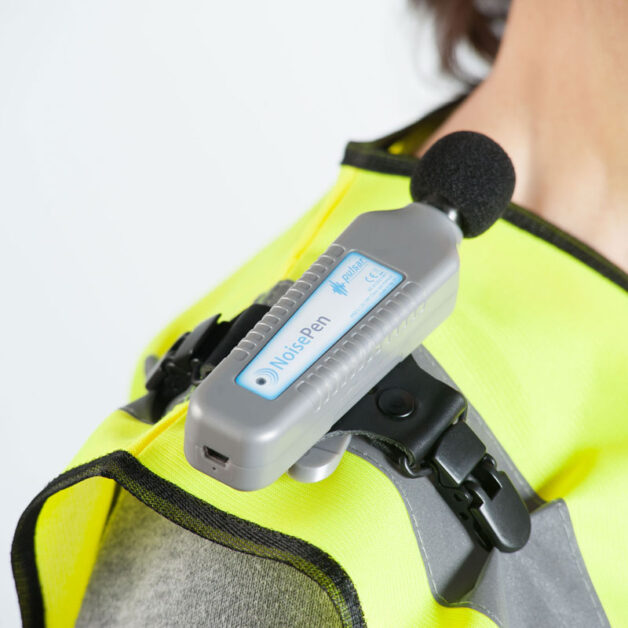
Area noise surveys are typically carried out using sound level meters, which measure environmental sound levels and identify high-risk zones. Personal exposure is assessed using noise dosemeters worn by employees during a shift to calculate daily exposure values such as LEX,8h or Time Weighted Average (TWA).
These measurements provide objective data that informs risk assessments, hearing protection selection and compliance decisions. Without reliable measurement data, hearing conservation programmes lack foundation.
Employer Responsibilities Under Noise Regulations
Employers have a legal duty under the Control of Noise at Work Regulations to assess and control noise risks in the workplace. This includes carrying out suitable and sufficient risk assessments, implementing control measures, providing hearing protection where required, and conducting health surveillance when exposure exceeds upper action values.
Failure to manage noise risks can result in enforcement action, significant fines, and long-term compensation claims. Beyond legal consequences, unmanaged hearing loss can lead to reduced productivity, communication breakdowns and increased safety incidents.