If you’re responsible for health and safety, the most important numbers in workplace noise management are 80, 85 and 87 decibels.
These values are defined in Regulation 6 of the Control of Noise at Work Regulations 2005 and determine when employers must take action to reduce noise risk, provide hearing protection and ensure legal exposure limits are not exceeded.
Why 80, 85 and 87 dB Matter in the Workplace
To many people, these numbers mean very little. In a workplace context, however, they trigger specific legal duties.
The Regulations require employers to prevent or reduce risks from exposure to noise to the lowest level reasonably practicable. The three key exposure thresholds define when action must be taken and what type of action is required.
Failure to manage noise exposure appropriately can lead to enforcement action and civil claims for Noise-Induced Hearing Loss (NIHL), one of the most common occupational diseases worldwide.
Where Do the 80, 85 and 87 dB Values Come From?
The UK Regulations came into force in 2006, replacing earlier legislation and implementing European Directive 2003/10/EC. They are legally binding and apply across all industry sectors where employees may be exposed to noise at work.
The Regulations define:
- Lower Exposure Action Value: 80 dB(A)
- Upper Exposure Action Value: 85 dB(A)
- Exposure Limit Value: 87 dB(A)
These values are based on daily or weekly average noise exposure, not just instantaneous sound levels.
What Is the 80 dB Lower Exposure Action Value?
A daily or weekly exposure of 80 dB(A) is the point at which employers must begin taking preventative steps.
At this level, employers must:
- Carry out and record a workplace noise risk assessment
- Provide employees with information and training about noise risks
- Make suitable hearing protection available to employees
- Provide access to advice on hearing protection use
This level is often the point at which organisations first realise formal noise management is required.
What Is the 85 dB Upper Exposure Action Value?
At 85 dB(A), the legal requirements become significantly stronger.
Employers must:
- Implement reasonably practicable measures to reduce noise exposure at source
- Introduce engineering or technical noise control measures
- Establish hearing protection zones
- Ensure hearing protection is worn where required
- Provide health surveillance, including hearing checks
This is the threshold where noise management becomes an active control programme rather than a preventative step.
For practical guidance on reducing workplace noise and applying the hierarchy of control, read our detailed guide to workplace noise control measures.
What Is the 87 dB Exposure Limit Value?
The 87 dB(A) exposure limit value is the absolute maximum noise exposure permitted.
This limit:
- Must never be exceeded
- Takes hearing protection into account
- Represents the legal boundary for worker exposure
If exposure exceeds this limit, immediate action is required to reduce risk and prevent further exposure.
Peak Exposure Action Values
The Regulations also define limits for peak or impulsive noise, measured using C-weighting.
Impulse noise from equipment such as cartridge tools, impact tools and hammering or drilling equipment can cause both short-term and long-term hearing damage.
Peak limits exist because very loud short-duration sounds can be as harmful as continuous noise exposure.
Daily vs Weekly Exposure: When Can Weekly Be Used?
Noise exposure is normally assessed over an 8-hour working day. However, where exposure varies significantly during the week, the Regulations allow a weekly exposure value (LEP,w) to be used.
This is typically appropriate when:
- Noise exposure varies significantly between days
- Workers are exposed on three days or fewer per week
If weekly exposure is used:
- Hearing protection must still be made available
- Employees and representatives must be consulted
- The effects of this monitoring approach must be explained
For shifts longer than 8 hours, exposure increases under the 3 dB exchange rate, meaning action values are reached at lower measured sound levels.
What Happens If These Values Are Exceeded?
If employers cannot demonstrate compliance, they may face:
- HSE inspections and enforcement notices
- Improvement or prohibition notices
- Civil claims for Noise-Induced Hearing Loss
- Increased insurance and legal costs
Accurate measurement records and a clear audit trail are essential to demonstrate compliance and protect the organisation.
How Are Workplace Noise Levels Measured?
Workplace noise exposure is measured using:
- Sound level meters for task and area measurements
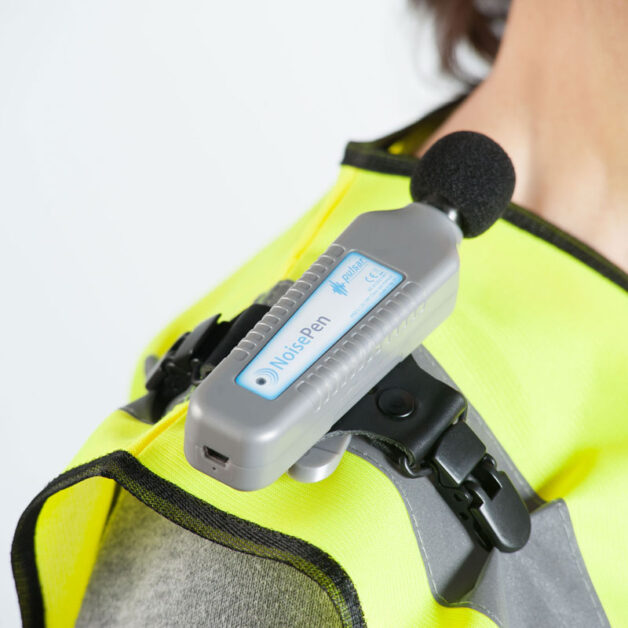
- Personal noise dosimeters for mobile workers
- Measurements expressed as LAeq (average exposure) and LCpeak (peak noise)
Modern instruments can calculate daily exposure values automatically and provide the data required to demonstrate compliance.
If you would like a step-by-step explanation of how workplace noise assessments are carried out, read our full guide to Noise at Work Risk Assessments.
Need Help Understanding Workplace Noise Requirements?
Understanding the workplace noise action values is a key step in managing risk and demonstrating compliance with the Control of Noise at Work Regulations.
If you would like advice on measuring workplace noise or selecting suitable monitoring equipment, our team can help.